



Tips for Creating a Relaxing Home Office Environment
Creating a relaxing home office environment is essential for maintaining focus, reducing stress, and fostering productivity. When your workspace feels calm and inviting, it’s easier to stay motivated throughout the day. Whether you’re new to working from home or looking to refresh your current setup, these tips will help you design a space that supports both your well-being and your work.
Why a Relaxing Home Office Matters
A comfortable and peaceful workspace can positively impact how you feel and perform at work. Stressful or cluttered environments may lead to distractions and decreased efficiency. On the other hand, a well-planned, relaxing office can:
– Improve concentration
– Encourage creativity
– Reduce anxiety
– Support better posture and physical health
Taking time to create the ideal workspace pays off in both your mental and physical comfort.
1. Choose the Right Location
Finding the right spot in your home is the first step to creating a relaxing office.
– Natural Light: Pick a space near a window if possible. Natural daylight can boost your mood and energy.
– Quiet Area: Try to choose a location away from noisy parts of your home, like the kitchen or living room.
– Room to Grow: Make sure there’s enough space for your desk, chair, and any other essentials without feeling cramped.
If you don’t have a dedicated room, try using room dividers or screens to create a visual boundary between work and home life.
2. Invest in Comfortable Furniture
Comfort is key to staying relaxed and focused during long work hours.
– Ergonomic Chair: Select a chair that supports your back and encourages good posture. Adjustable height and lumbar support features can make a big difference.
– Desk Options: A desk at the right height reduces strain on your wrists and shoulders. Standing desks or adjustable desks can also offer flexibility.
– Organized Layout: Arrange your desk so you can reach frequently used items easily without cluttering the space.
Comfortable furniture not only supports your body but also signals that your workspace is a place of importance.
3. Declutter and Organize
A cluttered environment can lead to a cluttered mind. Keeping your workspace tidy helps create a relaxing atmosphere.
– Storage Solutions: Use shelves, drawers, or baskets to store supplies neatly.
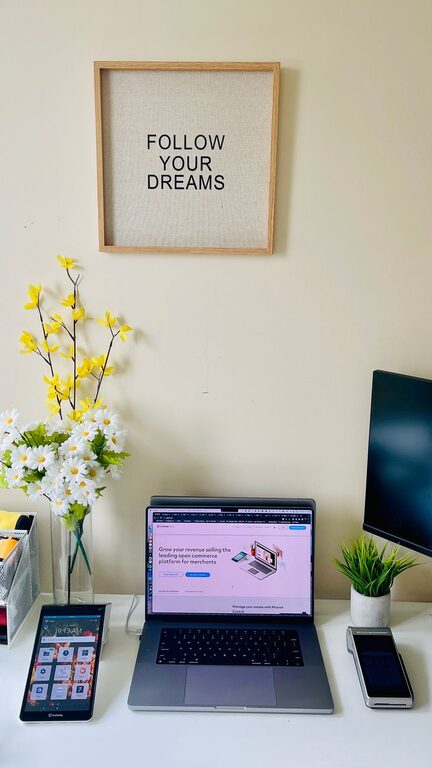
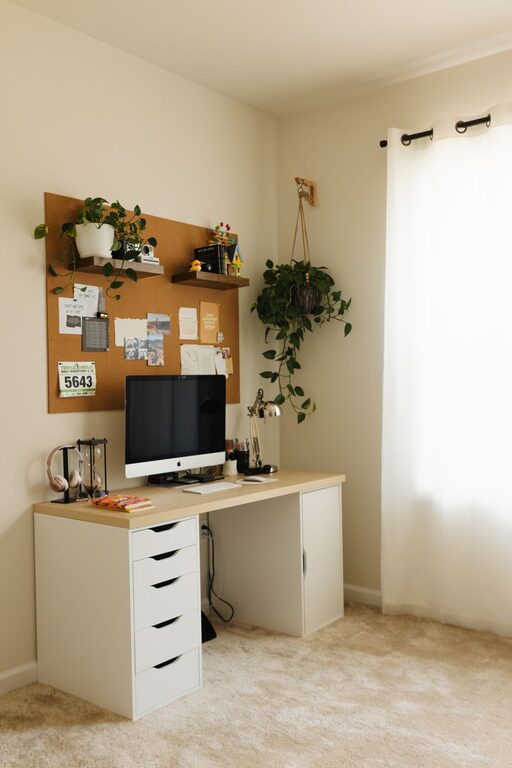
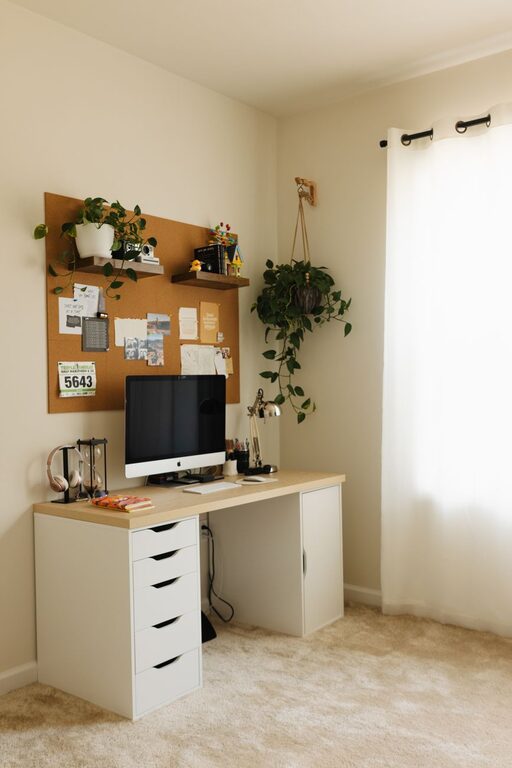
– Minimal Decor: Limit decorative items to a few that inspire or calm you without overwhelming the space.
– Daily Routine: Spend a few minutes at the end of each day tidying your desk.
Organization helps reduce distractions and promotes a clear mindset.
4. Use Calming Colors and Lighting
Colors and lighting set the tone of your office environment.
– Soft, Neutral Colors: Shades like light blue, green, beige, or soft gray tend to feel peaceful and reduce eye strain.
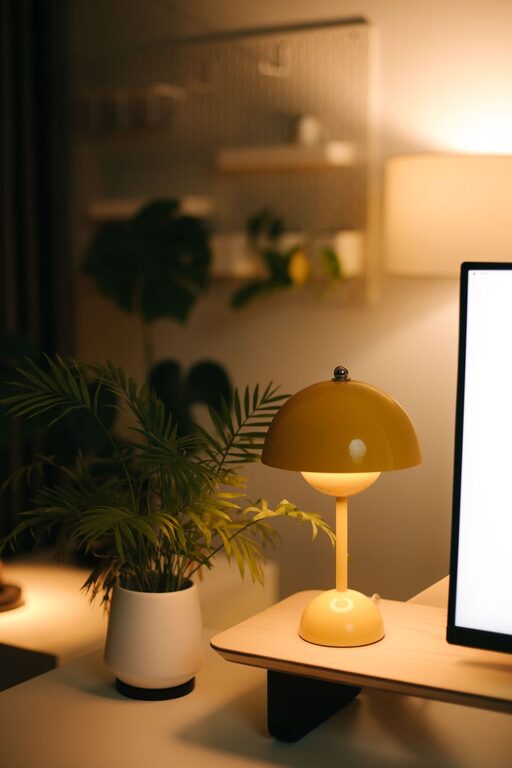
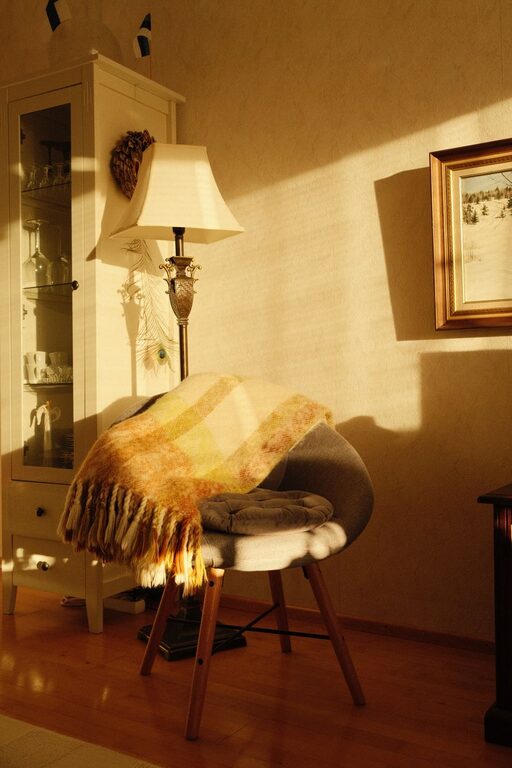
– Adjustable Lighting: Combine natural light with warm LED lamps. Adjustable lighting allows you to customize brightness according to the time of day.
– Minimize Glare: Position your monitor and lights to avoid reflections that can cause headaches or fatigue.
Thoughtful choices in color and light can have a powerful calming effect.
5. Add Personal Touches Mindfully
Personalizing your office can make it feel welcoming and less sterile.
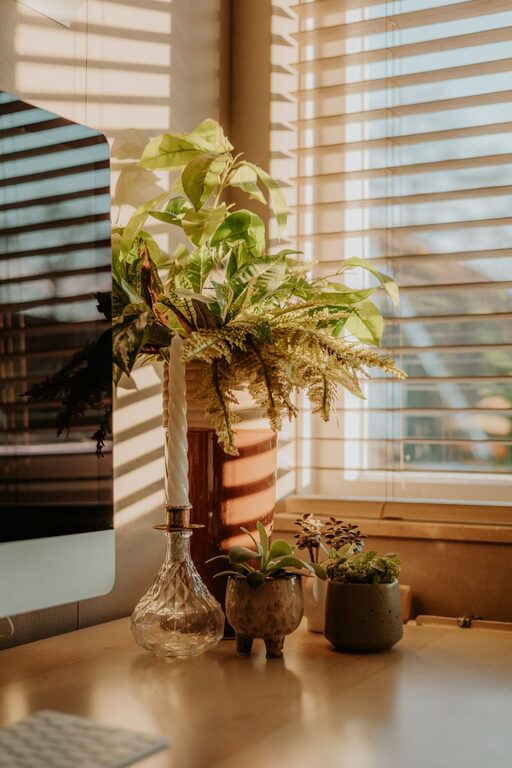
– Plants: Houseplants bring life and fresh air into your space. Low-maintenance plants like succulents and pothos are great options.
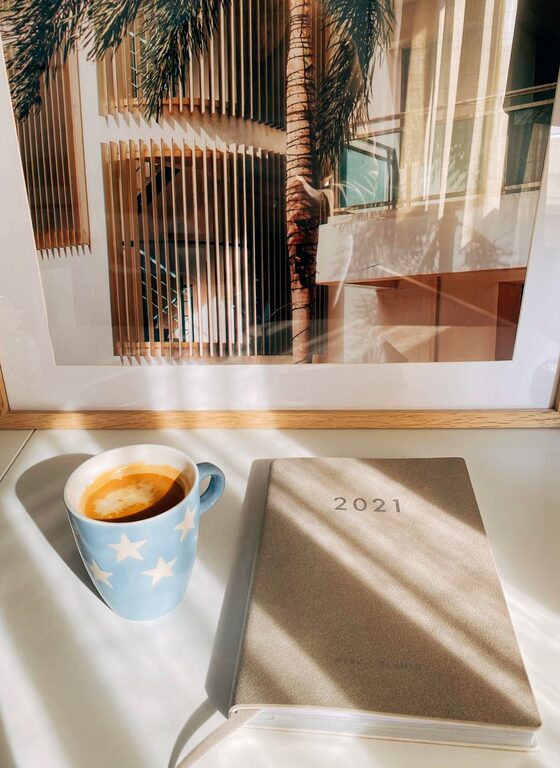
– Artwork or Photos: Select images that inspire or relax you, but avoid cluttering the walls.
– Aromatherapy: Consider using essential oil diffusers with scents like lavender or eucalyptus to create a soothing environment.
Make sure personal items add to the tranquility without becoming distractions.
6. Incorporate Technology Thoughtfully
Technology is central to home offices but can also contribute to stress.
– Cable Management: Use cable organizers or clips to keep cords out of sight.
– Quality Equipment: Invest in a reliable computer, keyboard, and mouse to avoid frustration.
– Noise Control: Headphones or white noise machines can help mask background sounds.
Keeping your technology neat and functional supports a smooth workflow.
7. Create Boundaries Between Work and Relaxation
To maintain a work-life balance, set clear distinctions within your space.
– Work Hours: Establish consistent start and end times for your workday.
– Physical Boundaries: When possible, close the office door or use a screen to signal the end of work hours.
– Break Areas: Step away from your desk during breaks. Designate a spot for relaxation away from work equipment.
These habits help your brain switch between work mode and downtime.
8. Incorporate Movement and Breaks
Physical activity promotes relaxation and helps prevent stiffness.
– Stretching: Take short stretching breaks every hour to relieve muscle tension.
– Walks: A quick walk outside can refresh your mind and body.
– Desk Exercises: Simple exercises like neck rolls or wrist stretches can reduce strain.
Movement keeps you energized and focused throughout the day.
—
By thoughtfully designing your home office with these tips in mind, you can create a space that feels calm, inspiring, and productive. A relaxing environment helps you stay balanced and efficient while working from home, turning your workspace into a place you enjoy spending time in. Start small, experiment with what works best for you, and watch how your new office setup improves your work life.