





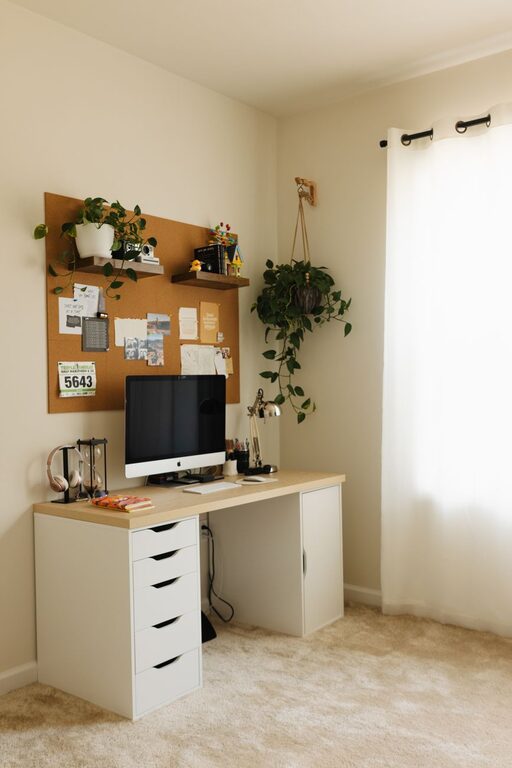
Simple Tips for Organizing a Clutter-Free Workspace at Home
Creating a clutter-free workspace at home can significantly improve your productivity and reduce stress. Whether you’re working remotely, studying, or managing household tasks, an organized area helps you focus and feel more in control. If you’re unsure where to start, these simple tips will guide you through establishing and maintaining a neat and efficient home workspace.
Why a Clutter-Free Workspace Matters
A cluttered desk or room can be distracting and overwhelming. When your workspace is tidy, you spend less time searching for items, which means more time completing tasks. Plus, a clean environment promotes calmness and creativity.
Choose the Right Location
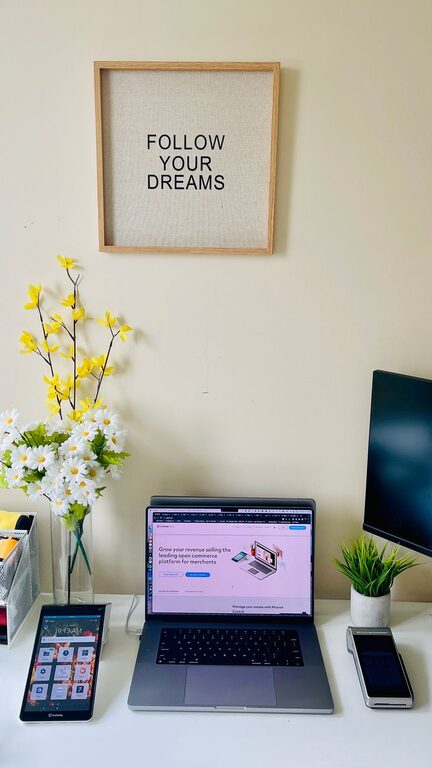
Start by selecting a spot dedicated to your work. Ideally, this should be a quiet, well-lit area away from distractions. If space is limited, even a small corner can work, as long as it’s consistent. Having a set workspace sets the stage for better organization.
Declutter First
Before you organize, clear everything off your desk and surrounding areas. Sort your items into groups:
– Keep: items you use daily or frequently
– Relocate: things that belong elsewhere
– Toss/Recycle: broken, outdated, or unnecessary items
Removing extras frees up space and simplifies your setup.
Invest in Storage Solutions
Keeping your workstation clear means storing items properly. Here are some storage ideas:
– Drawer organizers: Great for stationery and small supplies
– Shelving units: Useful for books, files, and storage boxes
– Desk trays: Keep papers sorted and accessible
– Cable management tools: Avoid tangled cords for a clean look
Choose solutions that fit your space and needs to stay organized.
Use Vertical Space
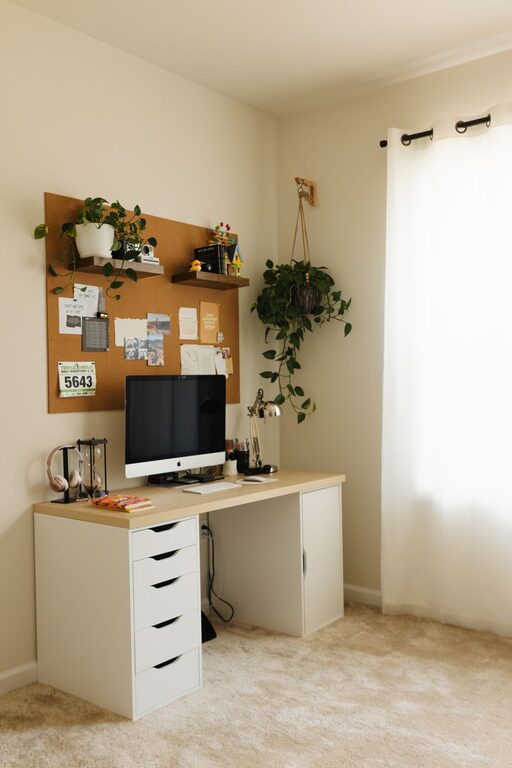
When desk surface area is limited, think vertically. Wall-mounted shelves, pegboards, or corkboards add storage without crowding your workspace. Use them to keep important notes, tools, or inspiration visible but out of the way.
Create a Filing System
Paper clutter can pile up fast. Develop a simple filing system for important documents to prevent buildup:
– Label folders clearly
– Sort by categories like bills, receipts, or work projects
– Digitize documents when possible to reduce physical copies
Regularly go through files to discard or archive old papers.
Keep Essentials Within Reach
Arrange your workspace so that things you use often—pens, notepads, computer accessories—are easy to access. Avoid overcrowding your desk, but don’t place frequently used items farther away where they interrupt your workflow.
Develop Daily Habits to Maintain Order
Organization is ongoing, not one-time. Incorporate tidy-up routines into your daily schedule:
– Spend 5 minutes at the end of each day putting things back
– Clear your desktop before starting work
– Quickly file any loose papers or items
These small habits keep clutter from building up again.
Personalize Mindfully
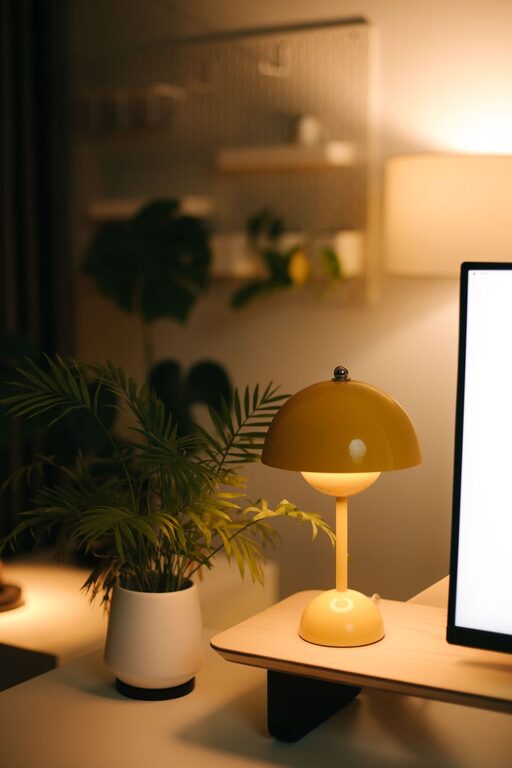
Adding personal touches like photos or plants can make your workspace inviting. Just be careful not to add too many decorative items that take up space or create distractions.
Set Boundaries Between Work and Relaxation Areas
If your home workspace shares a room, try to visually separate work from leisure zones. Use rugs, screens, or furniture placement to create distinct areas. This helps your brain switch between work mode and relaxation.
Frequently Asked Questions
How often should I declutter my workspace?
Aim to declutter at least once a week and do a deeper clean monthly. Staying consistent prevents accumulation of unnecessary items.
What’s the best way to manage cables?
Use cable clips, ties, or sleeves to bundle cords together. Label cords if needed to identify devices quickly and unplug easily.
Can digital tools help with organization?
Yes! Use apps for task management, note-taking, and scanning documents to reduce paper clutter and keep information accessible.
Final Thoughts
Organizing a clutter-free workspace at home doesn’t have to be complicated or time-consuming. By carefully choosing your space, decluttering regularly, and establishing simple systems, you can create an environment that supports your productivity and peace of mind. Remember, the key is consistency and making small changes that suit your unique needs. Try these tips today and enjoy a more organized and enjoyable workspace tomorrow.