




Tips for Creating a Relaxing Home Workspace to Boost Productivity
Creating a relaxing home workspace is essential for maintaining productivity and well-being while working remotely or handling tasks from home. A well-designed workspace not only boosts focus but also reduces stress and fatigue. In this post, we’ll explore practical tips to help you design a calming, efficient home office that supports your best work.
Why a Relaxing Workspace Matters
Working from home comes with unique challenges, including distractions and blurred boundaries between work and personal life. A relaxing workspace promotes mental clarity and motivation, making it easier to stay on task and maintain a healthy balance.
Benefits of a Calm Home Office
– Increased focus: A soothing environment limits distractions and helps your mind concentrate.
– Reduced stress: Comfortable surroundings can lower anxiety and prevent burnout.
– Improved creativity: A positive space encourages fresh ideas and problem-solving.
– Better physical health: Proper ergonomics in a relaxing setup can reduce strain and discomfort.
Choosing the Right Location
Start by selecting a spot in your home that supports work without interruptions.
– Quiet area: Pick a room or corner with minimal noise and foot traffic.
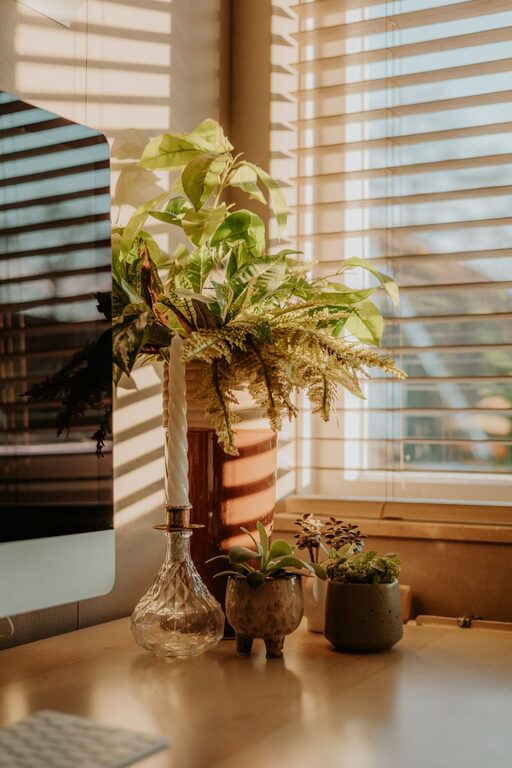
– Natural light: Set up near windows to benefit from daylight, which improves mood and energy.
– Separate from leisure spaces: Avoid working in bedrooms or areas linked to relaxation to keep boundaries distinct.
Designing Your Space for Comfort and Calm
Furniture and Ergonomics
Invest in a quality chair and desk to support good posture:
– Ergonomic chair: Choose a seat with adjustable height and lumbar support.
– Desk height: Your desk should allow your elbows to rest at about a 90-degree angle.
– Monitor position: Place your screen at eye level about an arm’s length away.
Keep It Clutter-Free
A clean desk helps clear your mind:
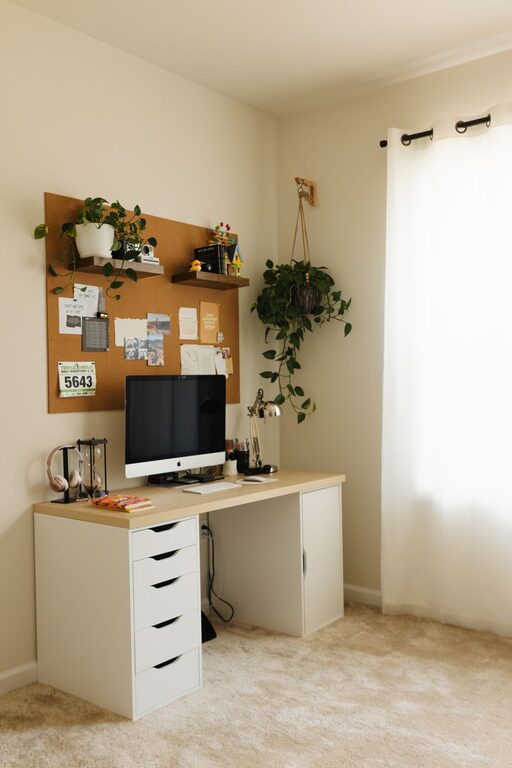
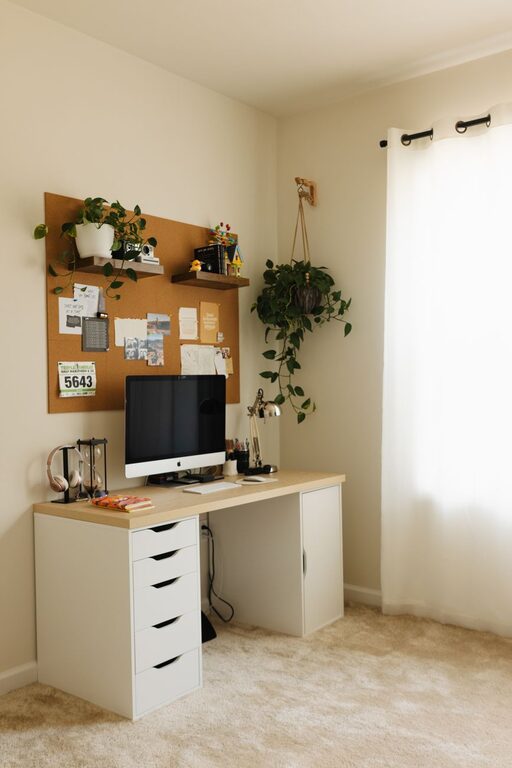
– Use organizers or drawers to store supplies.
– Limit visible items to essentials and a few personal touches.
– Schedule weekly tidying to maintain order.
Choose Relaxing Colors
Colors influence mood and focus:
– Soft neutrals like beige, soft gray, or cream create calm backdrops.
– Muted blues and greens can enhance concentration and relaxation.
– Avoid overly bright or harsh colors that may strain your eyes.
Incorporate Nature
Bringing natural elements into your workspace can boost well-being:
– Add small plants like succulents or ferns for fresh air and a calming effect.
– Use natural materials such as wood or stone in décor.
– Display nature-inspired artwork or photos.
Lighting for Productivity and Comfort
Proper lighting reduces eye strain and keeps you alert:
– Maximize daylight whenever possible.
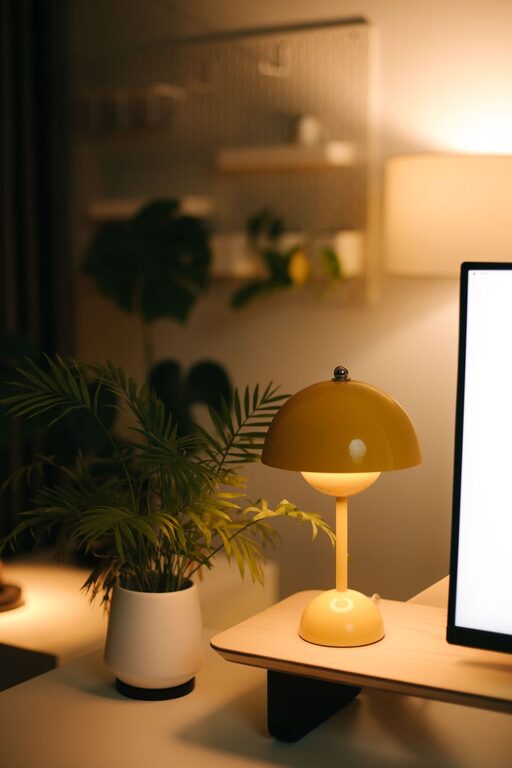
– Use adjustable desk lamps with warm white bulbs.
– Avoid harsh overhead lighting or glare on screens.
Personalizing Your Workspace
Add meaningful touches without cluttering:
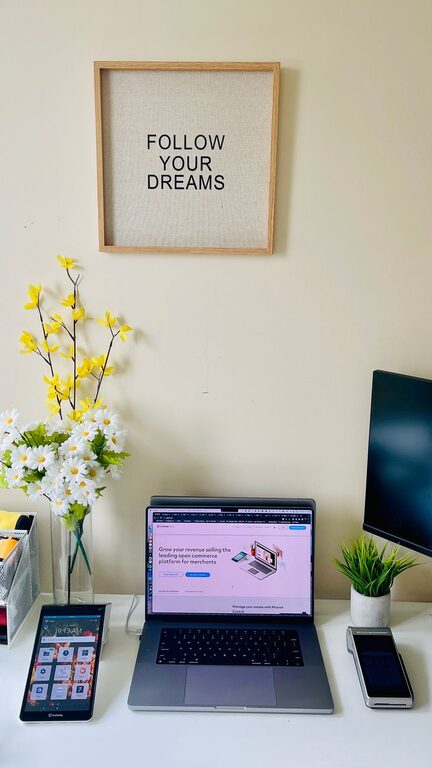
– Keep a few favorite photos or inspiring quotes nearby.
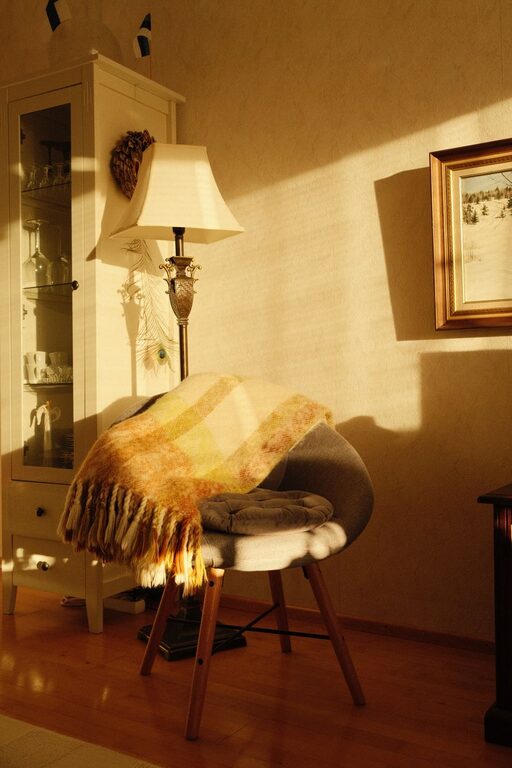
– Use a cozy throw or cushion for extra comfort.
– Play gentle background music or white noise if it helps you focus.
Managing Distractions
Set boundaries to protect your work time:
– Inform family or housemates of your schedule.
– Use noise-canceling headphones to block distractions.
– Turn off phone notifications or temporarily silence non-urgent alerts.
Establishing Healthy Work Habits
Your environment supports better habits:
– Take short, regular breaks to stretch or walk.
– Keep water and healthy snacks within reach.
– Maintain a consistent start and finish time each day.
Final Thoughts
Creating a relaxing home workspace is an investment in your productivity and mental health. By choosing the right location, focusing on comfort and lighting, managing distractions, and personalizing your area, you’ll cultivate a space where you can work efficiently and feel good doing it. Small changes can have a big impact, so start with one or two tips and build from there. Your ideal workspace awaits!